
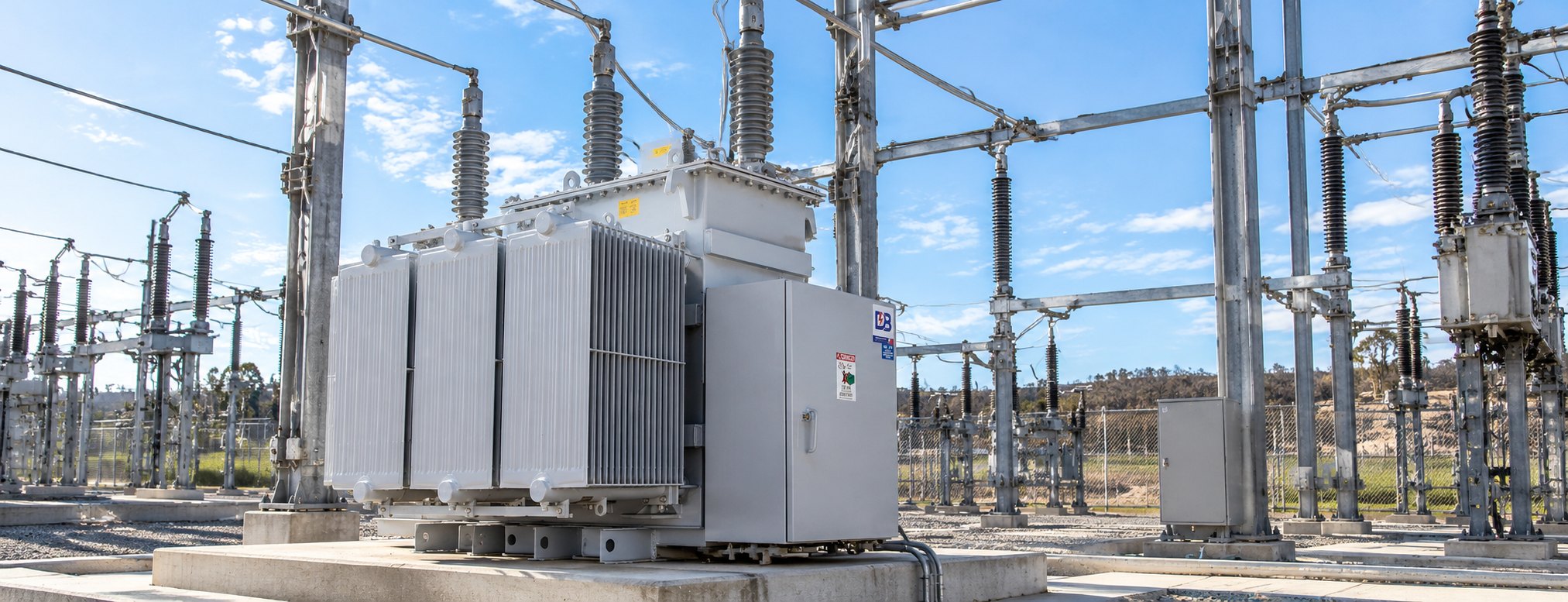
SMALL SUBSTATION TRANSFORMERS
Versatile, Rugged Power Conversion for Utilities, Commercial Hubs, and Industrial Facilities
Substation transformers serve as the critical bridge connecting high-voltage distribution lines to primary utility customers, commercial parks, and manufacturing complexes. When a substation transformer experiences unplanned downtime, entire production lines, business centers, and residential feeders go dark. Utility engineers, industrial plant managers, and electrical contractors need station-type transformers that offer continuous duty reliability, flexible cable or bus duct connections, and low total cost of ownership. Daelim Belefic U.S. manufactures liquid-filled and cast resin substation transformers engineered strictly to ANSI/IEEE C57, CSA, and NEMA standards. Backed by our Houston, Texas operations, we deliver custom substation transformer solutions with fast submittal drawings, responsive technical support, and short lead times to protect your project timeline.
Engineered for Continuous Operational Uptime and Adaptability
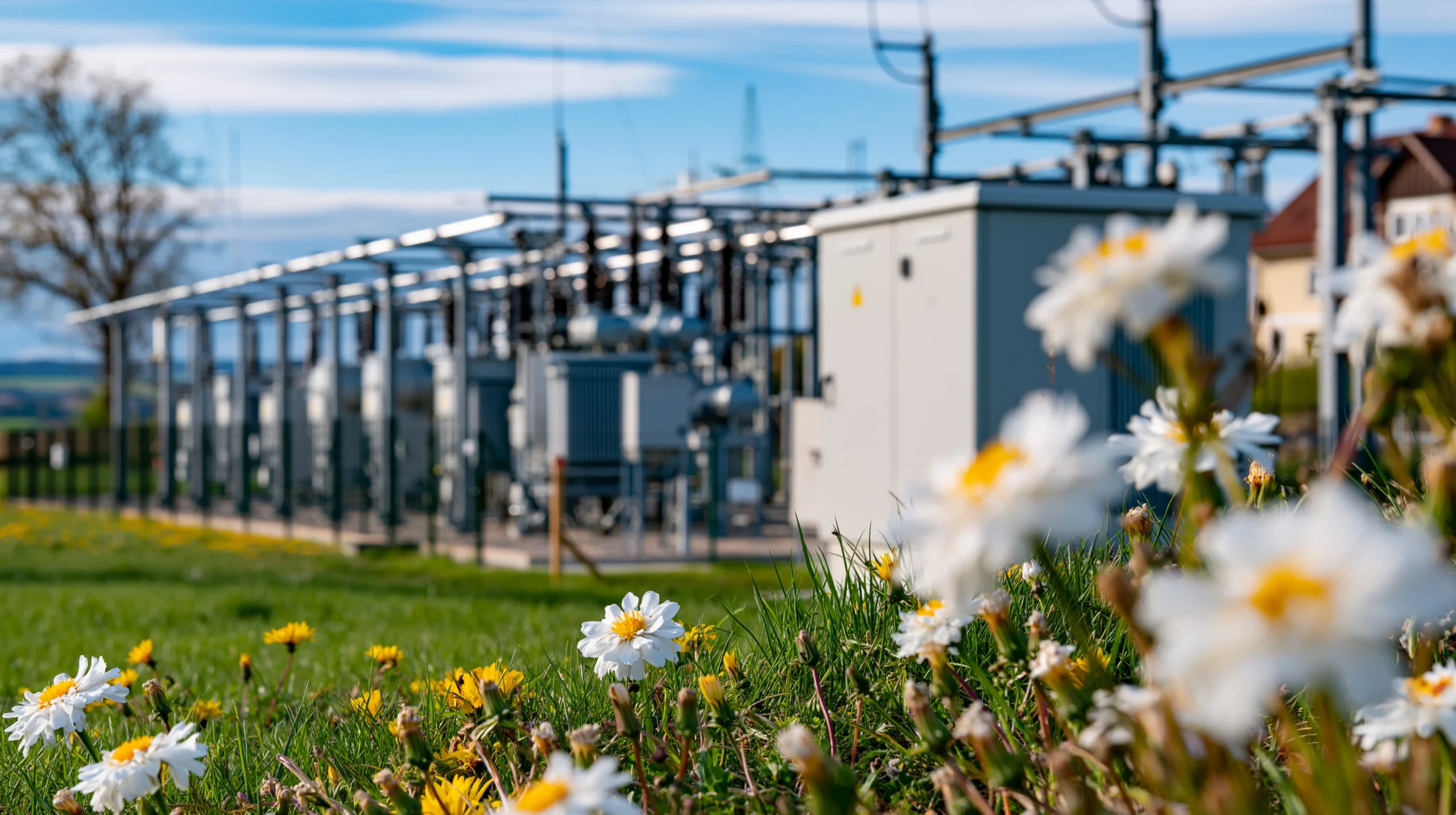
Designed for indoor or outdoor substation pads, our substation transformers incorporate heavy-duty construction to deliver long-term performance across demanding load profiles:
- Versatile Connection TerminationsConfigured with side-mounted liquid-tight terminal chambers, top-mounted bushings, or full air terminal chambers (ATC) to integrate cleanly with outdoor overhead lines, underground cables, or indoor bus duct systems.
- Heavy-Duty Enclosures and TanksManufactured with thick steel plate tanks, vacuum-tested seams, and high-performance weather-resistant exterior coatings to resist corrosion, thermal expansion, and harsh ambient environments.
- Optimized Electrical EfficiencyBuilt using high-grade silicon steel cores and high-conductivity copper or aluminum windings to minimize load and no-load losses, ensuring compliance with energy efficiency mandates.
- Low Operating NoisePrecision core clamping and specialized damping materials minimize core vibration and low-frequency humming, making them well-suited for urban substations and commercial environments.
Each unit is tested to IEEE C57.12.90 before shipment.
Substation Transformer Technical Specifications and Configuration Options
Daelim Belefic substation transformers are custom-engineered to adapt to your precise system protection, spatial footprint, and metering requirements.
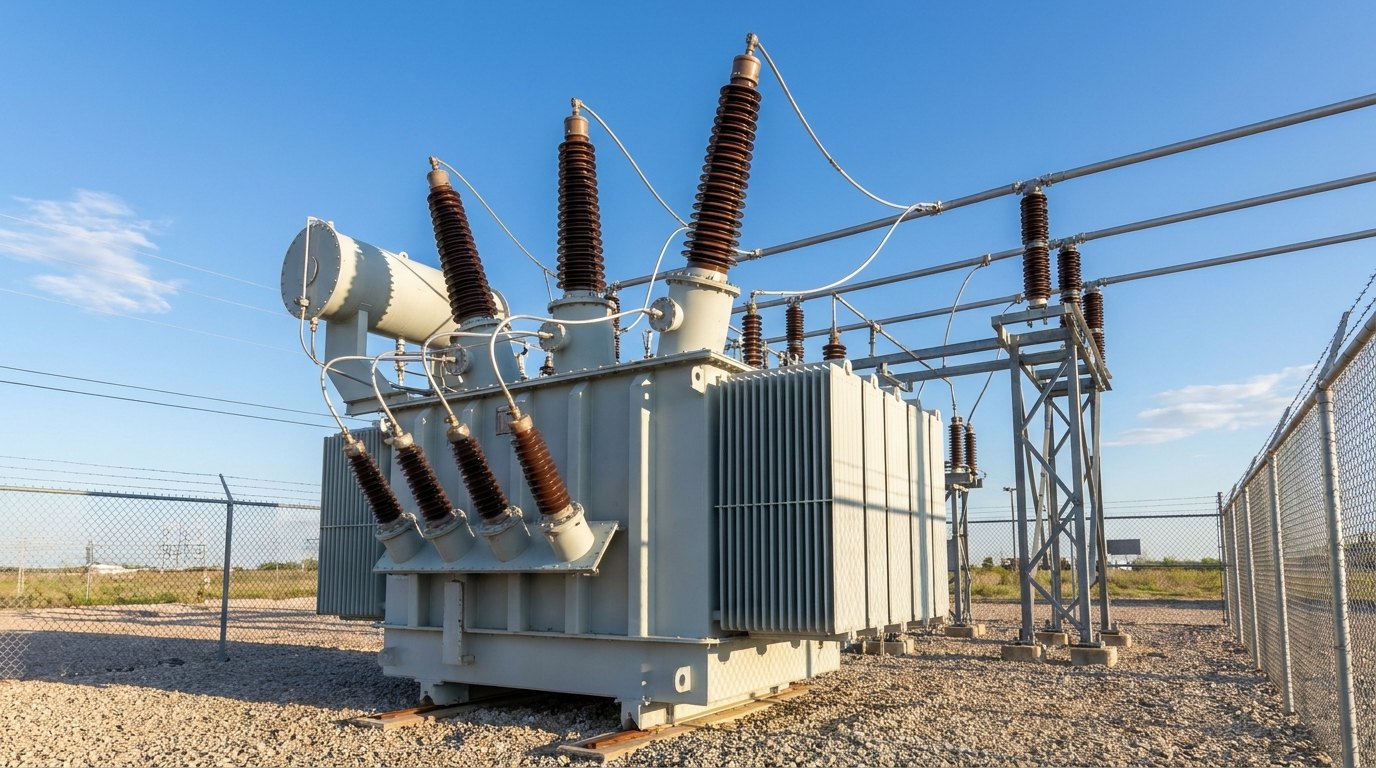
Power Ratings and Voltages:
Available in capacities ranging from 500 kVA up to 20 MVA, with primary voltage classes up to 69 kV (up to 350 kV BIL). Secondary voltages are custom-built to match your utilization requirements, including 480Y/277 V, 2400 V, 4160 V, 12.47 kV, or 13.8 kV.
Tap Changer Options:
Available with manual De-Energized Tap Changers (DETC) or automated On-Load Tap Changers (OLTC) to maintain steady output voltages under fluctuating primary supply conditions.
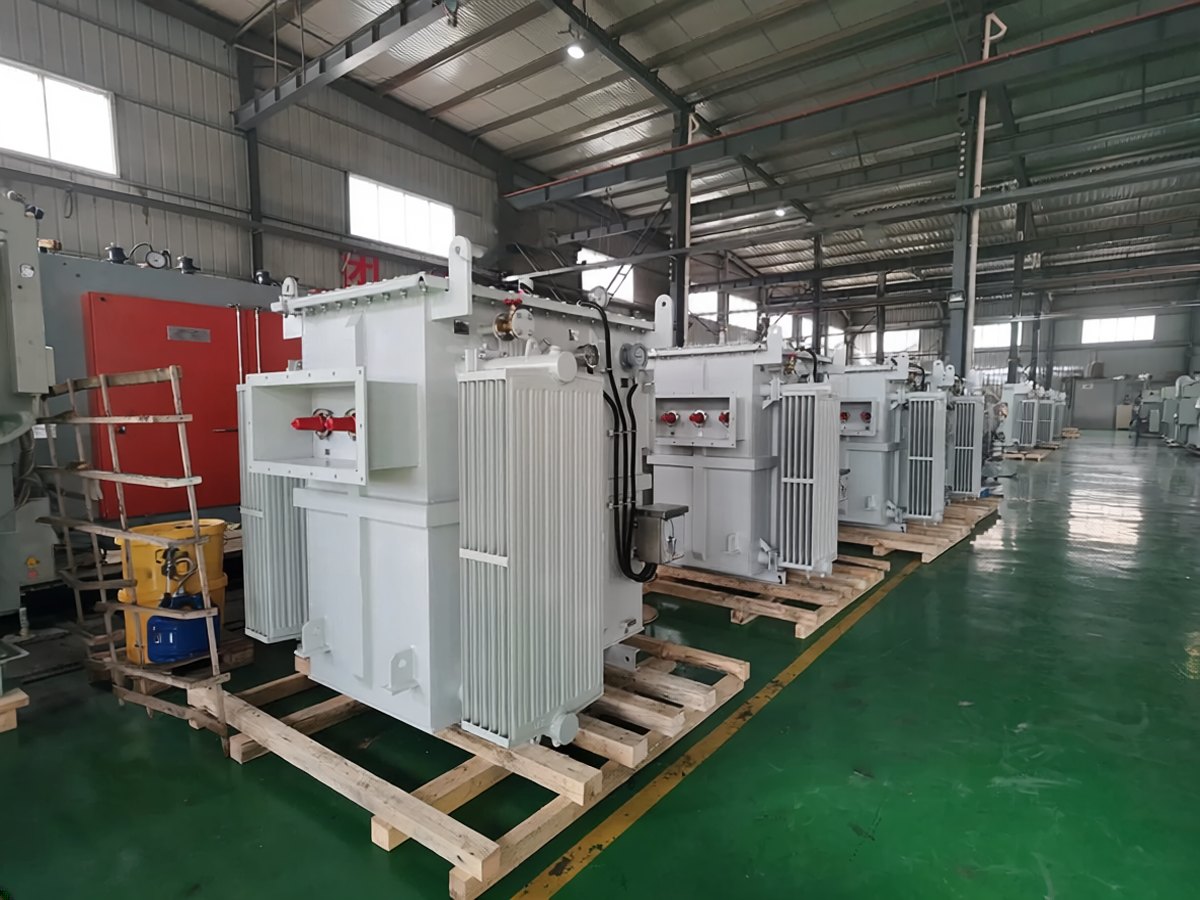
Cooling Modes and Fluid Media:
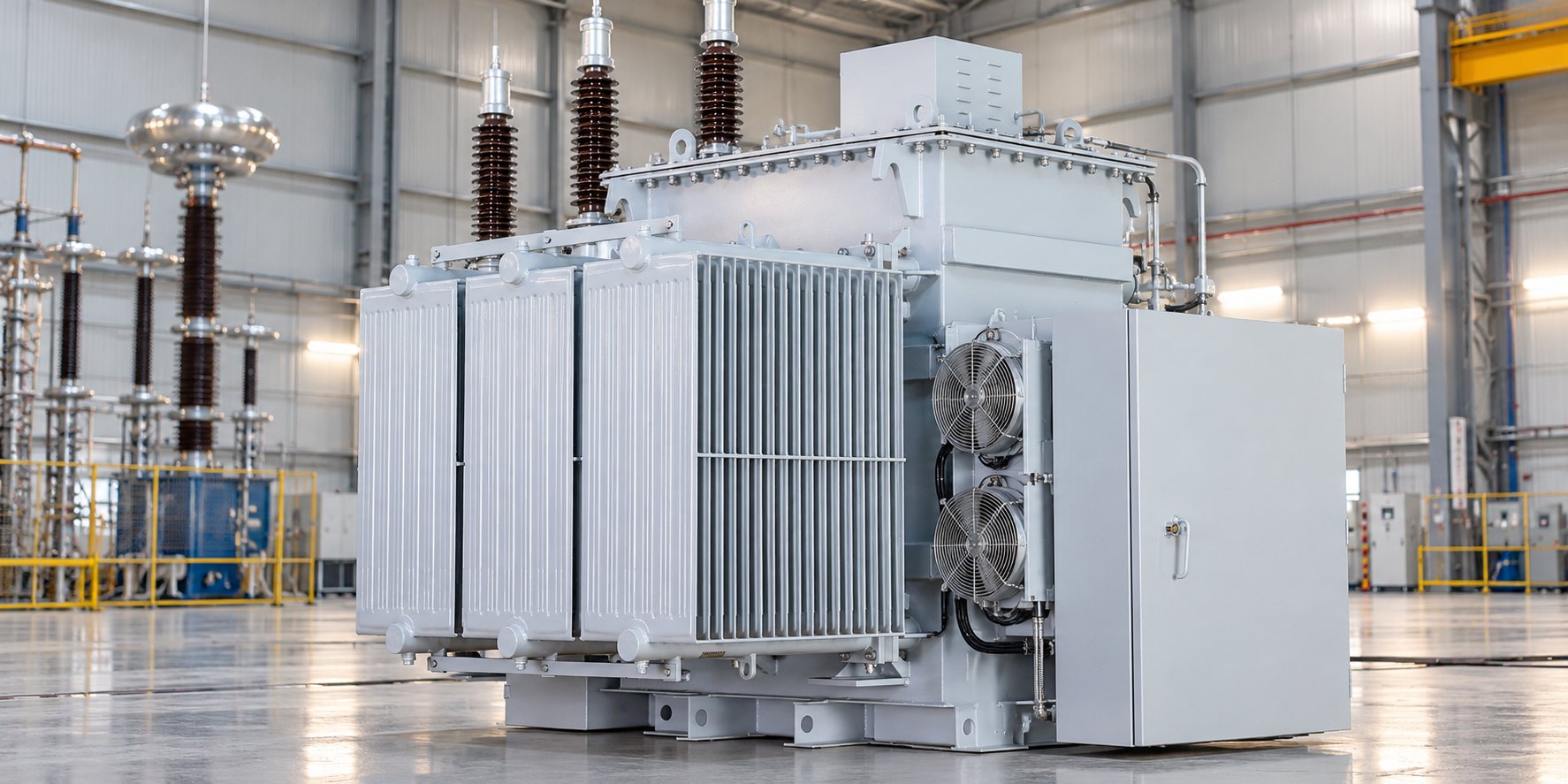
Supplied with natural air cooling (ONAN) with optional cooling fan packages (ONAF) to boost continuous loading capacity. Available with mineral insulating oil or fire-safe, biodegradable FR3 natural ester fluid.
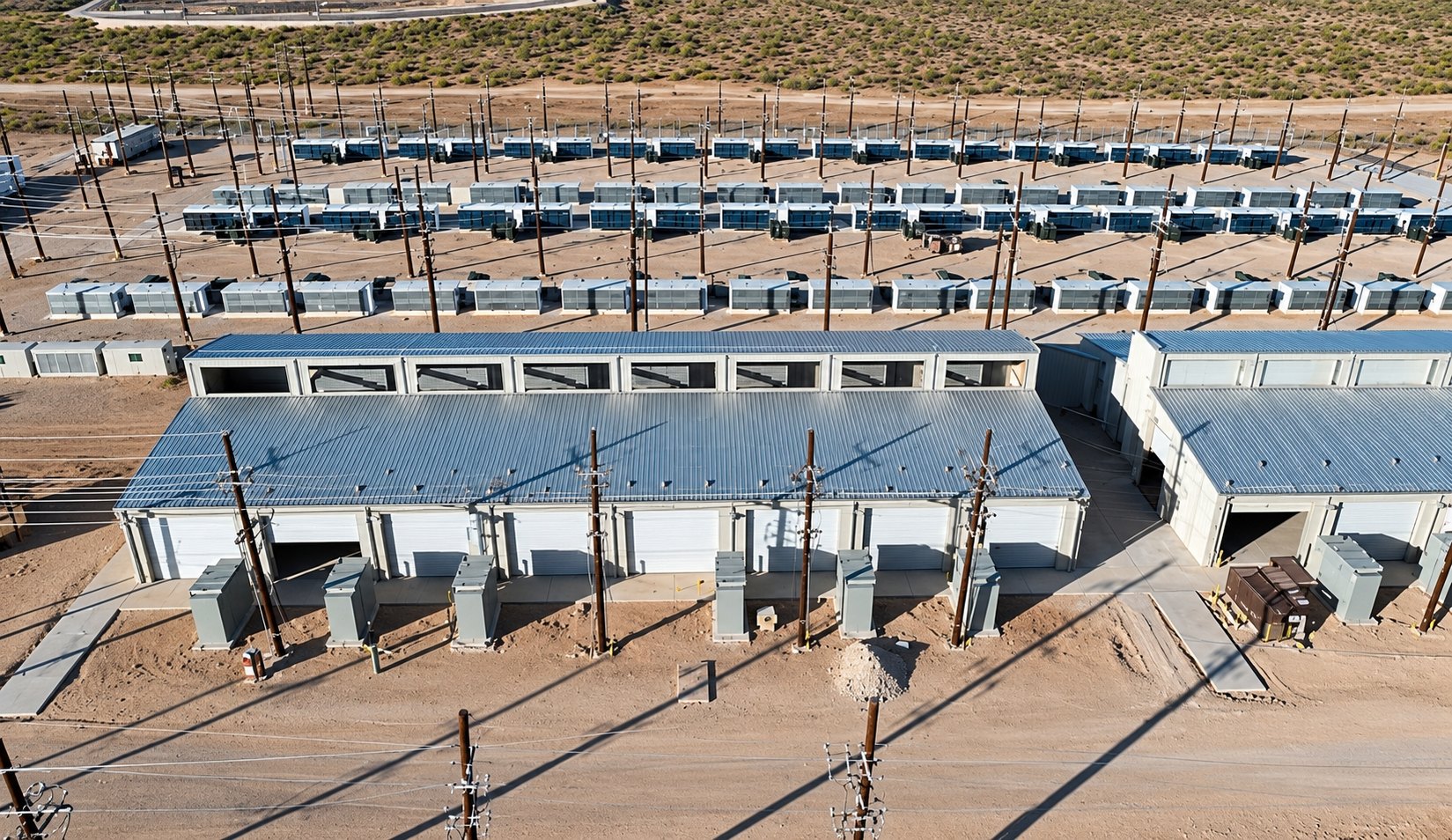
Protection Systems and Accessories:
Standard configurations include pressure relief devices, sudden pressure relays, dial-type liquid temperature indicators, oil level gauges, winding temperature indicators, and current transformers (CTs) for protective relaying and metering.
Substation Transformer Projects
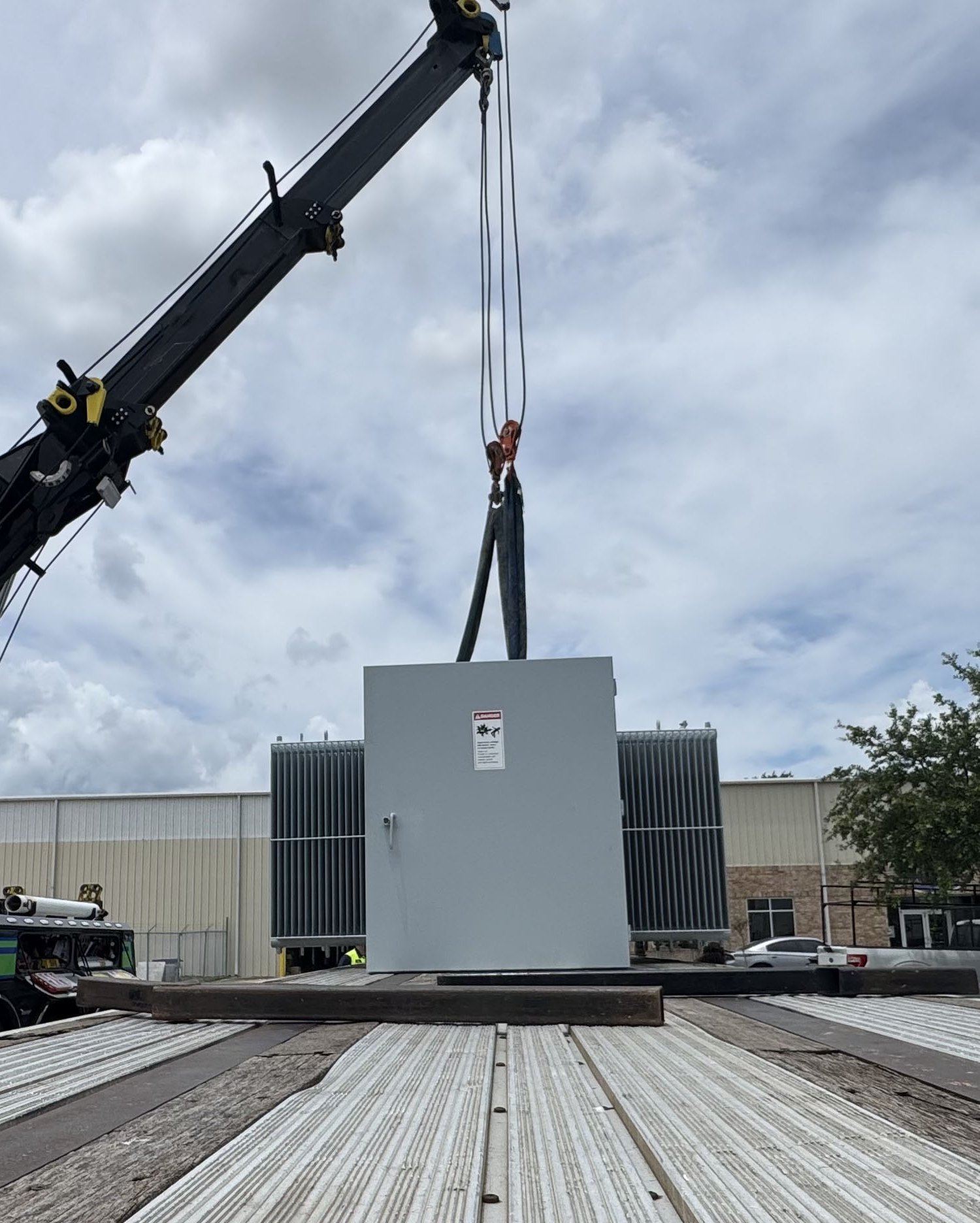
Designed for high reliability and long-term grid performance, Daelim Belefic U.S. delivered a custom 69 kV power transformer tailored to meet strict operational and safety requirements for a Pennsylvania power utility.




Keep Your Substation Project on Schedule
Whether you are designing a municipal distribution substation, upgrading an industrial plant main entrance, or equipping a commercial microgrid, Daelim Belefic delivers the engineering precision and fast turnaround your site demands.
Ready to protect your project timeline?
Substation Transformer FAQs
What is a small substation transformer and where is it used?
A small substation transformer is a liquid-filled or dry-type transformer used to reduce medium- or high-voltage electrical power to the voltage required by a utility distribution system, commercial facility, industrial plant, or other large electrical installation. These transformers are typically installed in outdoor substations, indoor electrical rooms, commercial facilities, manufacturing plants, utility distribution systems, and microgrid applications.
Small substation transformers are commonly used when a facility requires more capacity and flexibility than a standard distribution transformer can provide. They can be configured with different primary and secondary voltages, connection arrangements, cooling systems, tap changers, and protection equipment to match the requirements of the electrical system.
Daelim Belefic supplies custom substation transformers from 500 kVA to 20 MVA, with voltage classes up to 69 kV, depending on the project requirements.
What kVA and voltage ratings are available for substation transformers?
Daelim Belefic substation transformers are available from 500 kVA to 20 MVA, with primary voltage classes up to 69 kV and BIL ratings up to 350 kV. Secondary voltages are custom configured to meet the requirements of the electrical distribution system and can include 480Y/277 V, 2,400 V, 4,160 V, 12.47 kV, and 13.8 kV, among other configurations.
The correct transformer rating depends on the facility's existing and projected electrical load, primary system voltage, secondary voltage requirements, load characteristics, short-circuit requirements, environmental conditions, and future expansion plans.
For applications with significant load growth, engineers should evaluate both present capacity requirements and anticipated future demand when selecting the transformer MVA rating.
What connection and termination options are available for substation transformers?
Substation transformers can be configured with different termination arrangements depending on whether the transformer connects to overhead lines, underground cables, switchgear, or indoor bus duct systems.
Daelim Belefic substation transformers can be equipped with side-mounted liquid-tight terminal chambers, top-mounted bushings, or air terminal chambers (ATC). These configurations allow the transformer to be integrated into different substation layouts and electrical connection schemes.
The appropriate termination arrangement depends on the project layout, conductor type, incoming and outgoing connections, required clearances, cable routing, bus duct configuration, and applicable utility or electrical standards. Providing a preliminary site layout during the engineering process can help ensure the transformer configuration fits the installation.
What tap changer and cooling options are available for substation transformers?
Substation transformers can be equipped with De-Energized Tap Changers (DETC) or On-Load Tap Changers (OLTC) depending on the voltage regulation requirements of the electrical system.
A DETC allows the transformer ratio to be adjusted when the transformer is de-energized and is commonly used when voltage adjustments are infrequent. An OLTC allows the transformer ratio to be adjusted while the transformer is energized, making it suitable for applications where maintaining voltage within a defined range during changing load conditions is important.
Daelim Belefic substation transformers can use ONAN cooling, with optional ONAF fan-assisted cooling to increase continuous loading capacity. The appropriate tap changer and cooling configuration depends on the transformer rating, load profile, voltage requirements, ambient conditions, and operating strategy.
What information is needed to specify or request a quote for a substation transformer?
An accurate substation transformer quotation requires detailed electrical, mechanical, and site information. At a minimum, provide the required kVA or MVA rating, primary voltage, secondary voltage, frequency, BIL, impedance, winding configuration, tap changer requirements, cooling class, transformer fluid, connection arrangement, and applicable ANSI/IEEE, CSA, NEMA, or utility standards.
Additional information may include the single-line diagram, short-circuit levels, load profile, altitude, ambient temperature, sound requirements, seismic requirements, enclosure and environmental conditions, cable or bus duct connections, protection and metering requirements, and available installation space.
The required delivery date should also be provided so the transformer design and manufacturing schedule can be aligned with the project's construction and energization milestones. Daelim Belefic's U.S.-based engineering team can assist with specification development, layout considerations, terminal configurations, and technical submittals.