

Transformer Pricing
Understanding the Factors Behind a Transformer Quote
Transformer pricing is determined by much more than the transformer's kVA or MVA rating. Voltage class, materials, efficiency requirements, cooling, insulation, accessories, testing, standards, customization, quantity, and logistics can all affect the final cost.
That is why two transformers with the same capacity can have significantly different prices.
A 2,500 kVA transformer, for example, could have different primary and secondary voltages, winding materials, impedance, insulation levels, cooling requirements, tap changers, accessories, testing requirements, and delivery conditions. Each of those specifications can change the design, materials, engineering requirements, manufacturing process, and ultimately the price.
At Daelim Belefic, we believe a transformer quote should provide more than a number. It should clearly define what is included, how the transformer is configured, what standards and testing apply, and what factors may affect the total project cost.

What Determines Transformer Pricing?
The final price of a transformer is typically driven by several interconnected factors. The most important include:
1. Transformer Capacity
The transformer's rated capacity, expressed in kVA or MVA, is one of the primary cost drivers.
As capacity increases, the transformer generally requires more conductor material, core steel, insulation, tank or enclosure materials, and thermal management equipment. Larger transformers can also require more substantial structural components and specialized transportation.
However, transformer cost does not increase at a simple fixed price per kVA. The transformer's voltage class, design requirements, materials, cooling system, and accessories can have just as much influence on the final quotation.
2. Primary and Secondary Voltage
Voltage requirements have a significant effect on transformer design and cost.
Higher-voltage transformers generally require greater insulation coordination, increased clearances, specialized bushings, higher BIL requirements, and additional engineering and testing.
The complete voltage configuration matters, not simply the highest voltage. Primary voltage, secondary voltage, frequency, connection configuration, tap range, and insulation requirements all need to be considered when developing the transformer design.
3. Core and Winding Materials
The materials used in the core and windings directly affect both transformer cost and performance.
Copper and aluminum are common winding materials, while electrical steel, including CRGO silicon steel, is commonly used for transformer cores. Material selection affects electrical losses, efficiency, weight, thermal performance, and overall manufacturing cost.
Higher-performance materials or designs intended to achieve lower losses may increase the initial purchase price while potentially reducing energy losses over the transformer's operating life.
4. Efficiency and Loss Requirements
A transformer designed to meet more demanding efficiency or guaranteed-loss requirements may require additional engineering and higher-performance materials.
Buyers should consider both the initial purchase price and the transformer's expected operating losses. For transformers that operate continuously under significant loads, a higher initial investment may be justified by lower energy losses over the equipment's service life.
For this reason, the lowest initial quotation is not necessarily the lowest total cost of ownership.
5. Transformer Type and Cooling
The transformer technology selected for the application also affects pricing.
Liquid-filled, dry-type, cast-resin, and other transformer configurations have different material, manufacturing, insulation, and thermal-management requirements.
Liquid-filled transformers may use cooling configurations such as ONAN or ONAF, while dry-type transformers may use natural or forced-air cooling. More advanced or higher-capacity cooling systems can add equipment and engineering requirements to the design.
6. Insulation and Dielectric Requirements
The required insulation system is influenced by voltage, BIL, temperature rise, installation environment, and applicable standards.
Higher voltage classes and specialized applications may require additional insulation materials, clearances, shielding, or dielectric design considerations.
The transformer must be designed for the electrical stresses it will experience, which means insulation requirements should be established early in the specification process.
7. Impedance and Short-Circuit Requirements
Impedance is another specification that can affect transformer design and cost.
The required impedance and short-circuit withstand capability influence winding design, conductor dimensions, mechanical bracing, and the transformer's ability to withstand fault conditions.
For custom transformers, these requirements need to be established during the engineering phase rather than treated as a standard afterthought.
8. Tap Changers
Tap-changing requirements can also affect transformer pricing.
A standard off-circuit tap changer is different from an on-load tap changer (OLTC) in terms of design, components, controls, and cost.
If the application requires voltage regulation while the transformer is energized, an OLTC and associated control equipment may be necessary. Additional monitoring and control components can further affect the quotation.
9. Accessories and Monitoring
The transformer itself is only part of the equipment package.
Depending on the application, a transformer may require additional components such as:
- Temperature indicators
- Pressure-relief devices
- Oil-level gauges
- Buchholz or protective relays
- Radiators
- Cooling fans
- Winding-temperature indicators
- Digital monitoring
- SCADA integration
- Dissolved gas analysis (DGA)
- Remote tap-position indication
Each additional component adds equipment, engineering, installation, and testing requirements that can affect the final quotation.
10. Standards, Certifications and Testing
The required standards and testing program can have a meaningful impact on transformer cost.
Depending on the application and location, transformers may need to comply with standards such as ANSI, IEEE, CSA, IEC, NEMA, or applicable utility requirements.
Standard factory testing is different from additional type, special, third-party, or witnessed testing. If additional testing or inspection is required, those requirements should be identified before the quotation is finalized.
11. Environmental and Site Conditions
Where the transformer will operate can influence its design.
Important considerations can include:
- Ambient temperature
- Altitude
- Indoor or outdoor installation
- Humidity
- Pollution level
- Coastal or corrosive environments
- Seismic requirements
- Available installation space
- Noise restrictions
Special environmental requirements can result in additional engineering, materials, protective coatings, enclosures, cooling requirements, or testing.
12. Customization
Standard transformer configurations are generally more straightforward to manufacture than highly customized designs.
Special voltage ratios, unusual impedance requirements, custom dimensions, specialized connection arrangements, multiple windings, unique enclosures, special cooling, monitoring systems, or other project-specific requirements can increase both engineering effort and manufacturing complexity.
Customization can therefore affect both price and lead time.
13. Quantity and Production Requirements
The number of transformers being purchased can affect the economics of a project.
A larger order may allow engineering, procurement, and manufacturing activities to be distributed across multiple units. Conversely, a one-off custom transformer may require dedicated engineering and setup costs.
Quantity also matters when a project requires multiple transformers with different configurations.
14. Transportation and Delivery
The cost of getting a transformer from the factory to the project site is another consideration.
Transformer size, weight, dimensions, destination, packaging, transportation method, and site accessibility can all affect delivered cost.
For larger power transformers, transportation becomes a particularly important part of project planning because the equipment can be extremely large and heavy.
15. Lead Time and Market Conditions
Transformer pricing can also be affected by the broader supply chain.
The availability and cost of copper, electrical steel, insulation materials, oil, bushings, tap changers, and other components can change over time. Manufacturing capacity and overall demand can also influence both pricing and delivery schedules.
For projects with critical energization dates, procurement should therefore consider price and availability together rather than evaluating the equipment solely on purchase price.
Current market conditions have made this particularly important for high-voltage and large power transformers, where demand from grid expansion, renewable energy, and data center development has increased pressure on available manufacturing capacity.
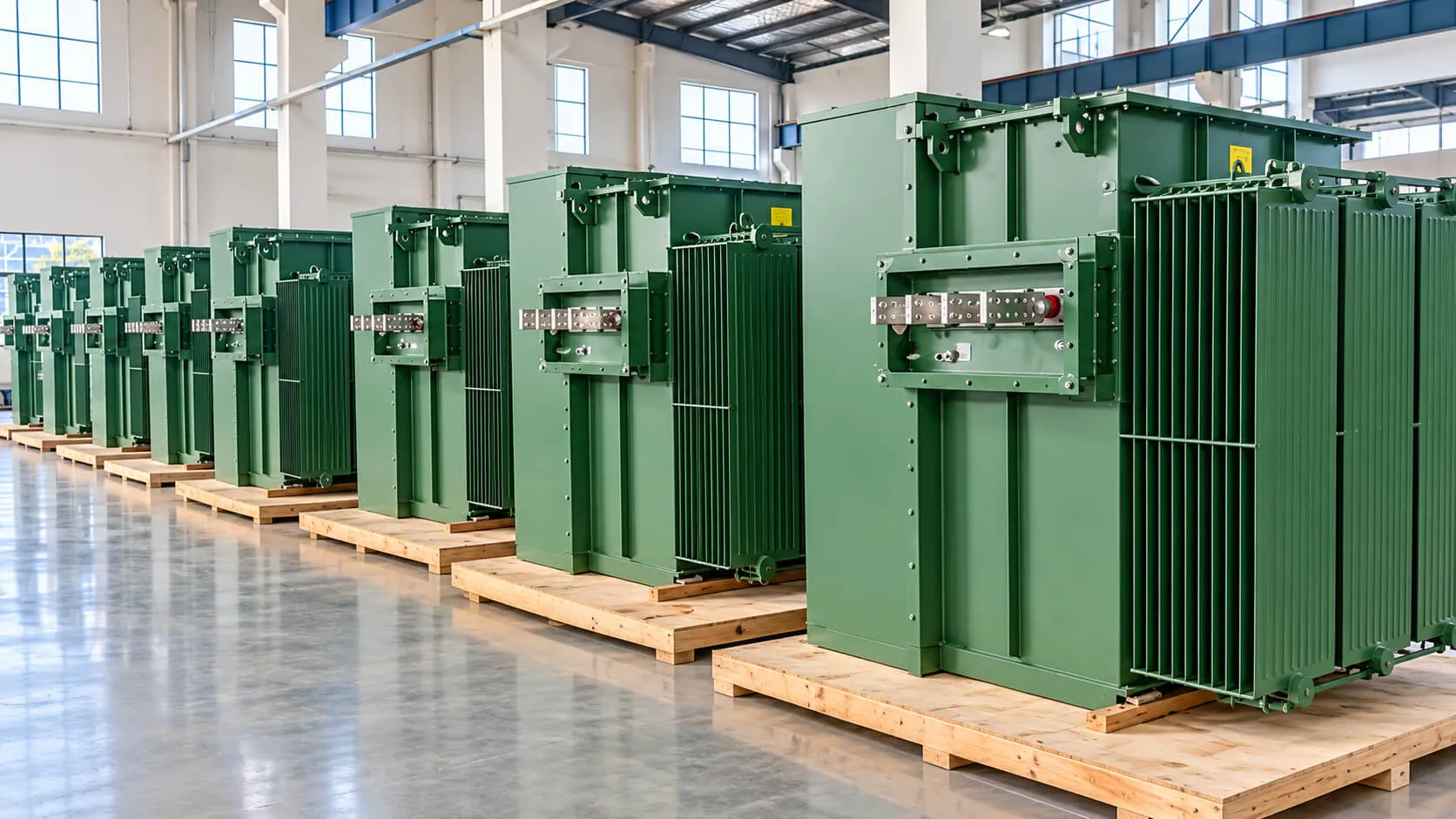
Why Two Transformers With the Same kVA Can Have Different Prices
Consider two transformers rated at 2,500 kVA.
They may have the same capacity, but one could require:
- 13.8 kV primary voltage
- Aluminum windings
- Standard efficiency
- Off-circuit taps
- Standard testing
- Standard accessories
The other could require:
- 34.5 kV primary voltage
- Copper windings
- Lower guaranteed losses
- Higher BIL
- OLTC
- Advanced monitoring
- Additional factory testing
- Special enclosure requirements
Both transformers are rated at 2,500 kVA, but they are not equivalent products.
The difference in price reflects the difference in engineering, materials, performance requirements, testing, accessories, and project requirements.
What Information Do You Need for an Accurate Transformer Quote?
The more complete the RFQ, the more accurately a manufacturer can determine the required design and provide a comparable quotation.
At a minimum, provide:

Electrical Requirements:
- Transformer type
- kVA or MVA rating
- Primary voltage
- Secondary voltage
- Frequency
- Phase
- Connection or vector group
- Impedance
- Tap requirements
- BIL or insulation requirements
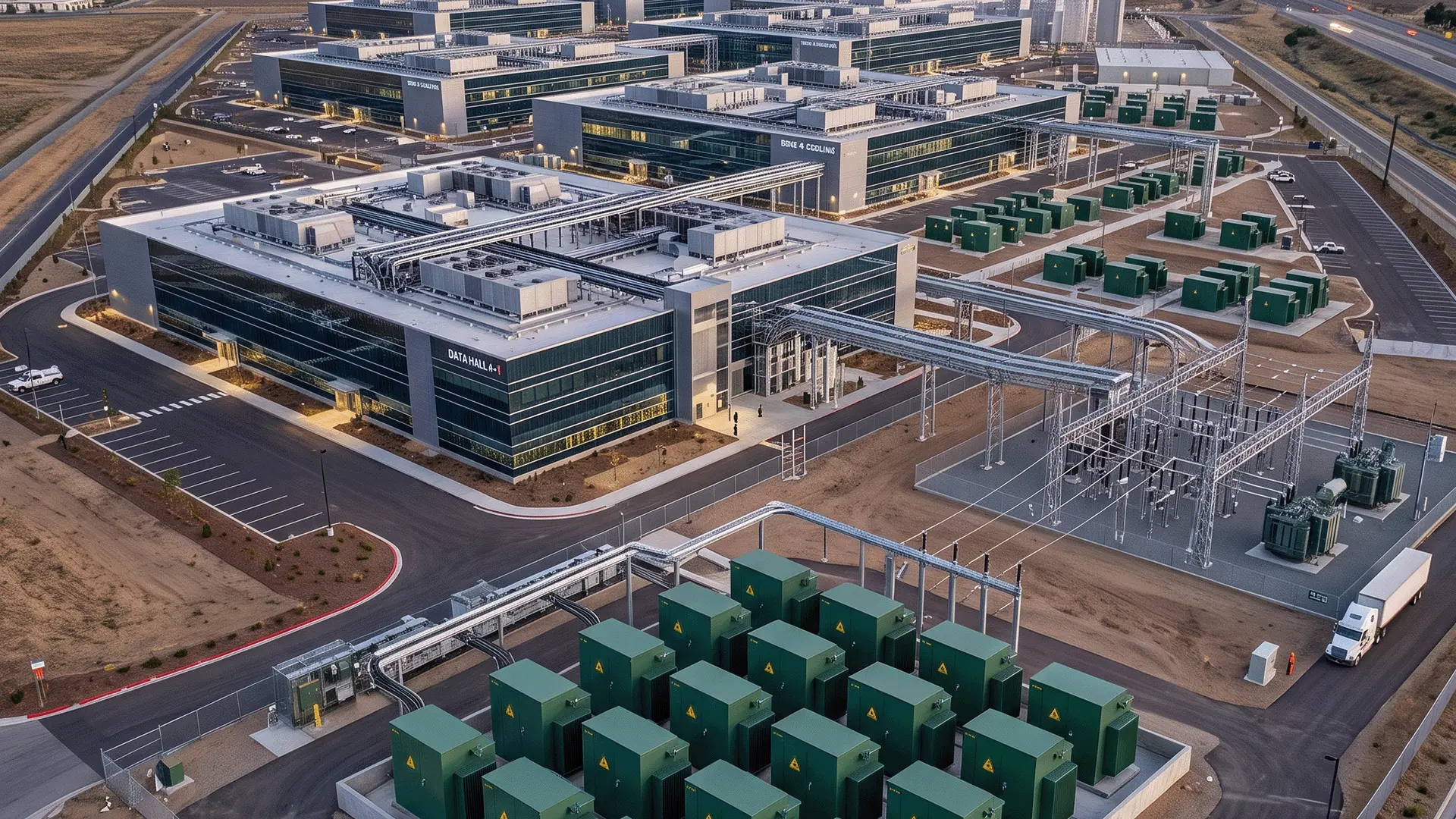
Application Requirements:
- Utility, renewable, data center, industrial, commercial, or other application
- Indoor or outdoor installation
- Ambient temperature
- Altitude
- Environmental conditions
- Noise requirements
- Seismic requirements, if applicable
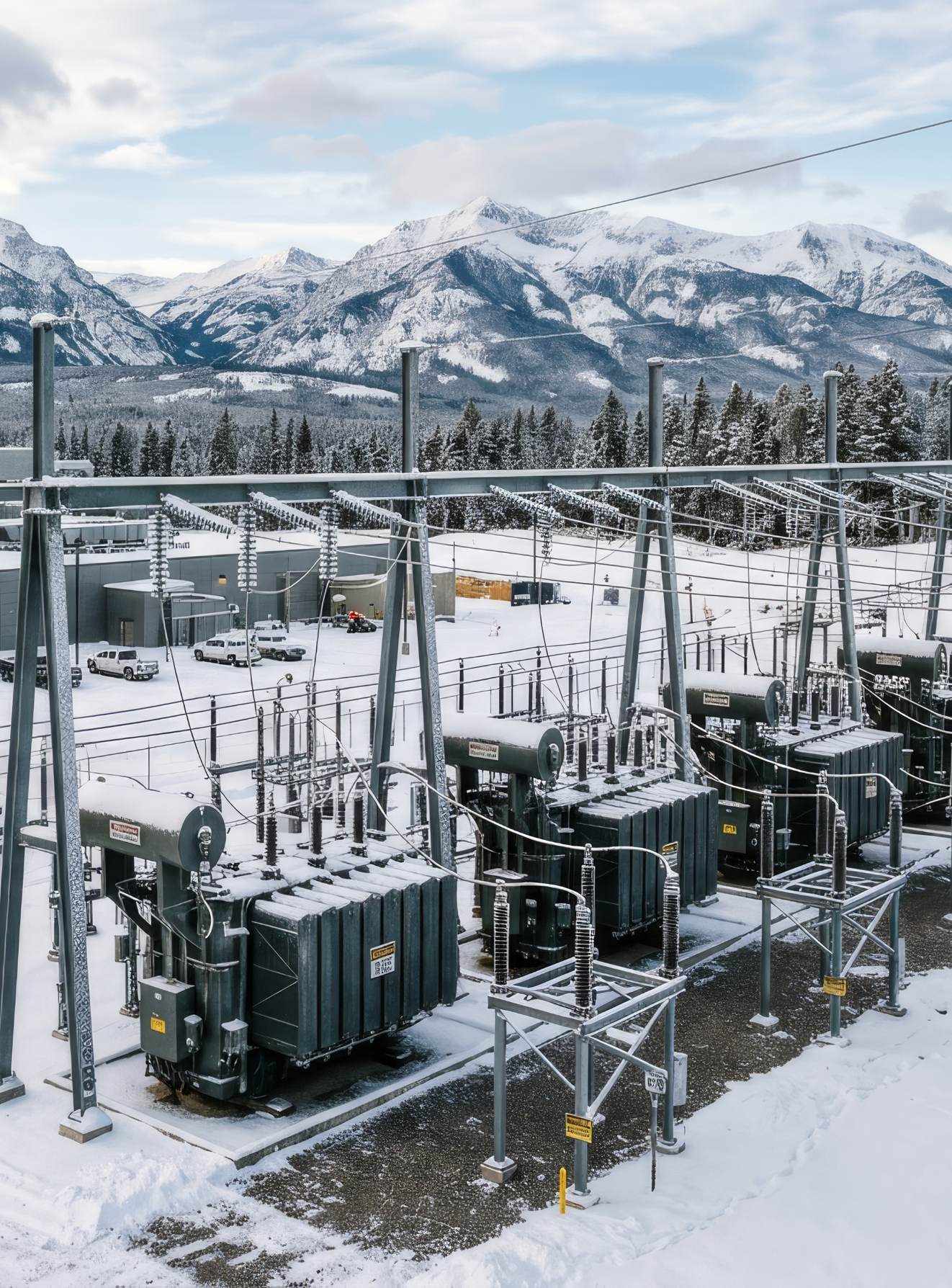
Performance Requirements:
- Efficiency or guaranteed losses
- Temperature rise
- Cooling method
- Short-circuit withstand
- Harmonic or nonlinear load requirements

Testing and Compliance:
- Applicable ANSI/IEEE, CSA, IEC, NEMA, or utility standards
- Routine testing
- Type or special testing
- Third-party inspection or witnessed testing
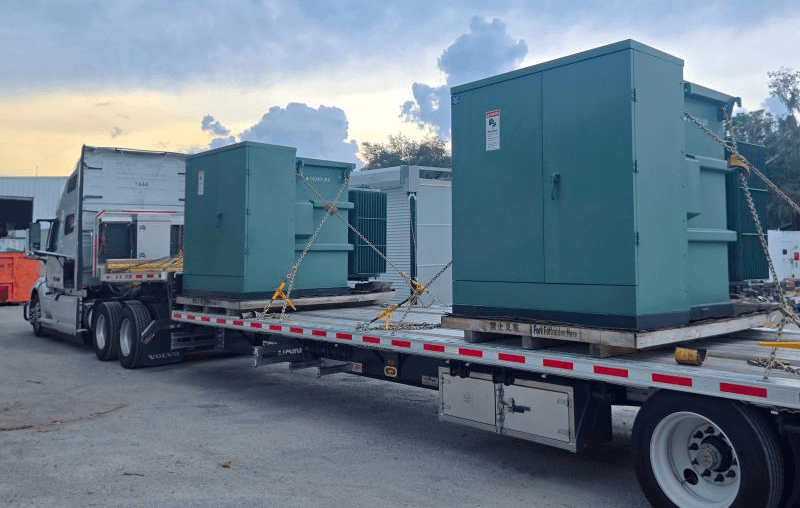
Commercial and Logistics Requirements:
- Quantity
- Required delivery date
- Project location
- Installation requirements
- Required accessories
- Packaging and transportation requirements
Transformer Price vs. Total Cost of Ownership
The lowest transformer quotation is not always the lowest-cost solution.
A transformer is a long-term electrical asset, and the initial purchase price represents only one part of its total cost.
When evaluating transformer quotations, consider:
- Purchase Price: What does the equipment itself cost?
- Energy Losses: How much will the transformer cost to operate over its service life?
- Installation: Are there additional requirements for installation, accessories, or site preparation?
- Testing and Compliance: Are the required tests, certifications, and inspections included?
- Delivery: Does the quoted price include the transportation requirements necessary to get the transformer to the project?
- Maintenance and Service: What technical support, warranty coverage, spare parts, and field service are available?
- Schedule: What is the financial impact if the transformer arrives late and delays energization or commissioning?

Get a Transformer Quote Based on Your Actual Requirements
Every transformer project is different. Providing the right technical information at the beginning helps manufacturers develop an accurate design, avoid unnecessary assumptions, and provide a quotation that can be compared fairly with other suppliers.
Whether you need a pad-mounted transformer, pole-mounted transformer, dry-type transformer, substation transformer, or high-voltage power transformer, Daelim Belefic can work with your engineering and procurement teams to define the appropriate configuration for your application.
Have a transformer project to price?
Send us your specifications, drawings, one-line diagram, or project requirements. Our team can review the application and help identify the transformer configuration, testing, accessories, and delivery requirements needed for an accurate quotation.
5 FAQ’s You Need to Know About Transformer Pricing
What factors affect the price of a transformer?
Transformer pricing is affected by many factors, including kVA or MVA rating, primary and secondary voltage, frequency, insulation and BIL requirements, winding and core materials, efficiency and loss requirements, impedance, cooling method, tap changers, accessories, testing, applicable standards, environmental conditions, customization, quantity, transportation, and required delivery schedule. The specific combination of these requirements determines the transformer's design, materials, engineering, and manufacturing requirements, which ultimately determine its price.
Does a higher kVA rating always mean a higher transformer price?
Generally, larger kVA or MVA ratings require more materials, larger components, and additional thermal and structural design, so capacity is an important factor in transformer pricing. However, transformer price does not increase based on capacity alone. Voltage class, materials, efficiency requirements, cooling, insulation, accessories, testing, and customization can have a significant impact on the final cost. A smaller transformer with more demanding specifications can cost more than a larger transformer with a simpler design.Generally, larger kVA or MVA ratings require more materials, larger components, and additional thermal and structural design, so capacity is an important factor in transformer pricing. However, transformer price does not increase based on capacity alone. Voltage class, materials, efficiency requirements, cooling, insulation, accessories, testing, and customization can have a significant impact on the final cost. A smaller transformer with more demanding specifications can cost more than a larger transformer with a simpler design.
Why can two transformers with the same kVA rating have different prices?
Two transformers with the same kVA rating can have different prices because their electrical, mechanical, environmental, and testing requirements may be different. Primary and secondary voltage, BIL, impedance, winding material, core design, efficiency requirements, tap configuration, cooling, accessories, enclosure requirements, applicable standards, and factory testing can all affect cost. For example, two 2,500 kVA transformers may have significantly different prices if one requires higher voltage, copper windings, an OLTC, additional monitoring, and special testing.
How do copper, aluminum, and core materials affect transformer cost?
Copper and aluminum are commonly used for transformer windings, and each has different cost, weight, conductivity, and design characteristics. Copper generally has higher material cost and conductivity, while aluminum can provide a lower material cost and lighter-weight design when properly engineered. The transformer's core is typically made from electrical steel, and core material and design influence both the transformer's cost and its no-load losses. Material selection should therefore be evaluated based on the required electrical performance, efficiency, physical design, and total cost of ownership, not simply the initial material price.
What information is needed to get an accurate transformer quote?
An accurate transformer quote requires enough information to define the electrical design, application, testing, and delivery requirements. At a minimum, provide the transformer type, kVA or MVA rating, primary and secondary voltages, frequency, phase, connection or vector group, impedance, tap requirements, BIL or insulation requirements, cooling method, installation environment, applicable standards, required testing, accessories, quantity, project location, and required delivery date. A one-line diagram, specification, equipment schedule, or project drawings can also help a transformer manufacturer identify requirements that may not be apparent from basic electrical ratings alone.